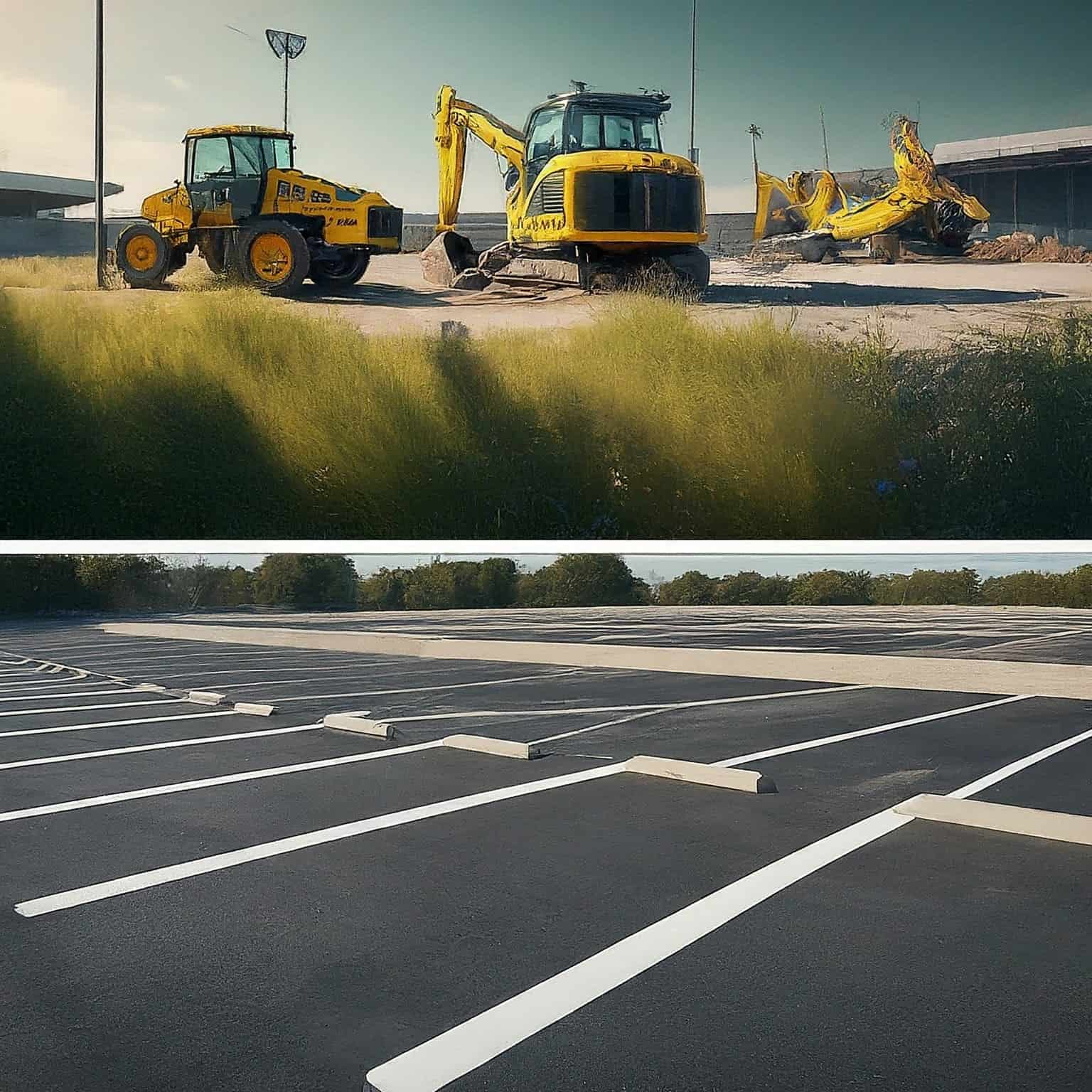

A Complete Guide To Asphalt Parking Lot Installation
A step by step process to installing an asphalt parking lot.

Written by Jennifer "Jenny" Parker
Content Writer and Civil Engineer
Jennifer Parker is a seasoned content writer and civil engineer with over a decade in asphalt and concrete services. Balancing a successful career and family life, she is dedicated to quality and sustainability, aiming to establish Parking Lot Kings as a leading industry voice.

- Updated on:
Key Takeaways
- Step 1: Initial preparations, planning and designing
- Step 2: Site preparation and grading
- Step 3: Sub-base installation
- Step 4: Preparing for the base course
- Step 5: Base course installation
- Step 6: Applying the asphalt course
- Step 7: Finishing touches and maintenance
- Step 8: Inspection and regular maintenance
Looking for a parking lot that doesn’t crack under pressure?
Installing an asphalt parking lot might seem complex, but with the right approach, you can create a durable, low-maintenance surface that adds value to your property.
This complete guide takes you through the step by step process of installing an asphalt parking lot and provides everything you need to know to install a parking lot successfully.
Step 1: Initial Preparations, Planning And Designing Of Your Asphalt Parking Lot
Before you start installing your asphalt parking lot, thorough planning and preparation is necessary. This will help make the installation process seamless and give you a durable, long-lasting result. Here are the initial preparations and planning guidelines to follow:
- Permits and assessments. Make sure you get all the necessary permits from your local authorities for zoning and environmental regulations. Check the site for any issues like drainage problems, soil stability, and any existing utilities. Design a layout that optimizes space and traffic flow.
Get a Free Quote Today!
Enter your info below and get a Free Quote today.
Step 2: Preparing The Base (A) And Grading Of The Parking Lot Site
Preparing the site involves tasks to make sure your parking lot will be functional. Each of these steps are necessary in the preparation process. With proper clearing, grading, and sloping your parking lot will be of high-quality, meeting safety and regulatory standards.
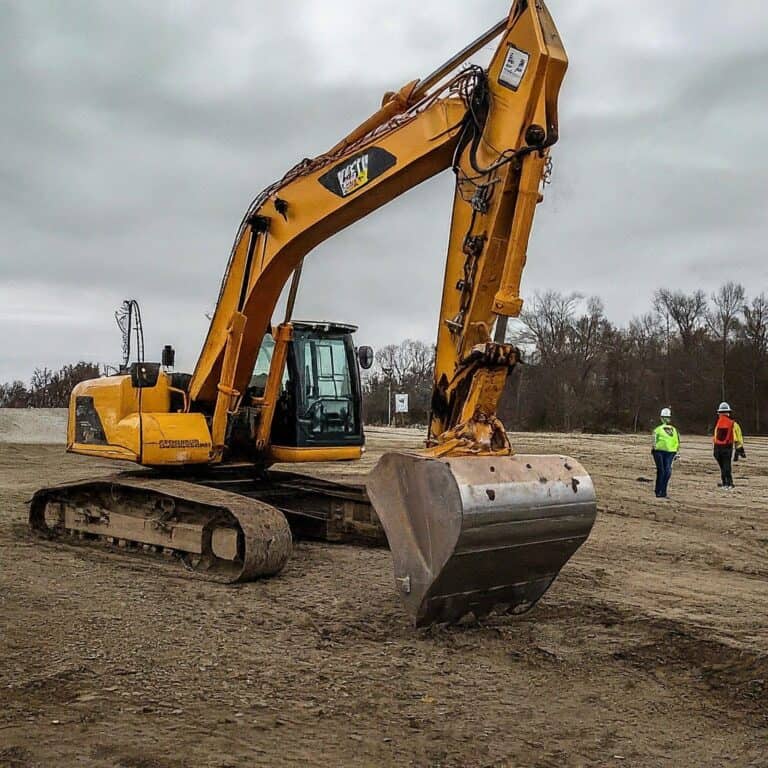
- Clearing and excavation. Remove any plant growth, rubbish, and debris. Excavate the site to the necessary depth and make sure the base is level.
- Grading and sloping. Grade the site to allow for proper drainage. The site must have slopes to allow water to be directed away from the parking lot surface.
Step 3: Sub-Base Installation For Your Asphalt Parking Lot
Putting in a strong sub-base gives your parking lot a stable foundation. This stops regular freeze and thaw cycles from causing problems.The type and thickness of the sub-base will depend on the site’s soil condition. A well-compacted foundation will result in a durable asphalt parking lot. Paying careful attention to this step will help prevent future maintenance issues.
- Installing the sub-base. Lay a strong sub-base material, usually crushed stone, to provide a stable foundation. Afterwards compact the sub-base properly to prevent future settling. Repair any areas that show any movement or instability.
Pro tip!
Ensure proper drainage by grading the surface to direct water away from the area, as standing water can weaken the asphalt and lead to premature damage.

Jake Miller
Senior Project Manager at Parking Lot Kings

Which Is Right For Your Parking Lot: Asphalt Or Concrete? Written..
Step 4: Preparing The Surface For The Base Course
This step focuses on readying the base for laying the asphalt. Proper preparation of the surface will provide a smooth, strong surface. It will also improve the appearance and function of your parking lot site.
- Surface milling (optional). Milling is only needed if you have to first remove existing asphalt. Mill the top layer of the current asphalt to remove unevenness and cracks. This makes sure you have a quality asphalt parking lot and is safe for use.
- Proof roll. Drive a roller several times over the whole site. Pay attention to any areas where the roller sinks or dips. If irregularities are found extra compaction or reinforcing the sub-base will be needed.
Step 5: Installing The Base Course
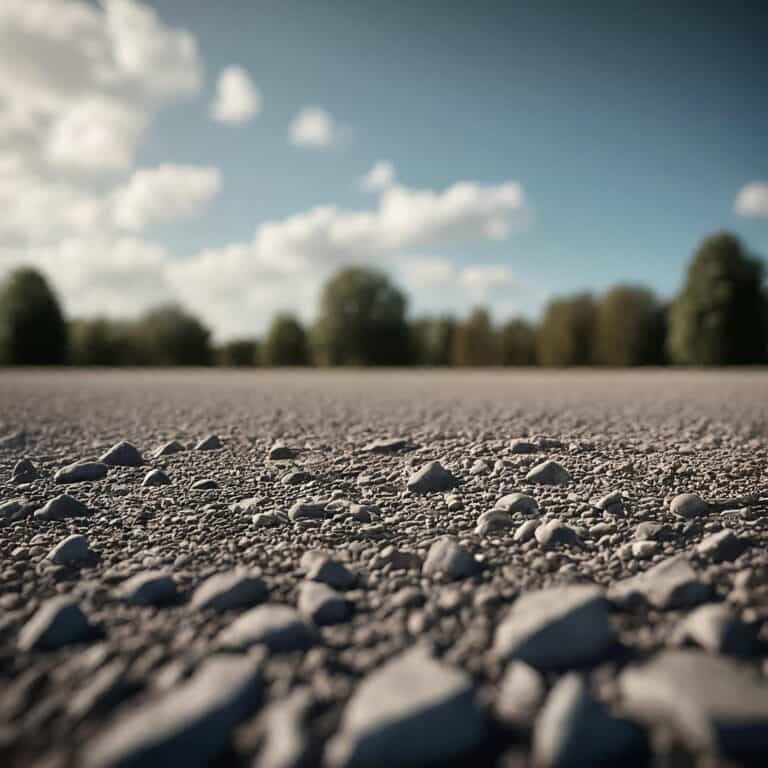
Above the sub-base, the base course is installed. This is made up of crushed gravel or sand, compacted for stability and a smooth surface for the asphalt layer. This stable, strong base course will make your parking lot durable. It will support the asphalt, allowing the parking lot to withstand traffic loads.
- Apply base course. The base course is installed on top of the sub base, about 4 inches thick. It contains a mixture of crushed stone, gravel, or recycled material. This layer adds further stability and a smooth surface for the asphalt to be placed on top.
- Asphalt binder (optional). For heavy-duty parking lots, an asphalt binder course may be added above the base course. The asphalt binder is a mix of bitumen, sand, and fine gravel. Asphalt binder strengthens and adds stability to the parking lot base. It is applied in a thinner layer than the wearing course but thicker than the base course.
- Prime coat (optional). Before applying the asphalt, a prime coat may be applied to the base course. It bonds the base coarse and the asphalt layer above. It waterproofs the base course.
Which Is Right For Your Parking Lot: Asphalt Or Concrete? Written..
Get a no obligation quote today!
Enter you email below and get matched to top-rated pros near you.
Step 6: Applying The Asphalt Course
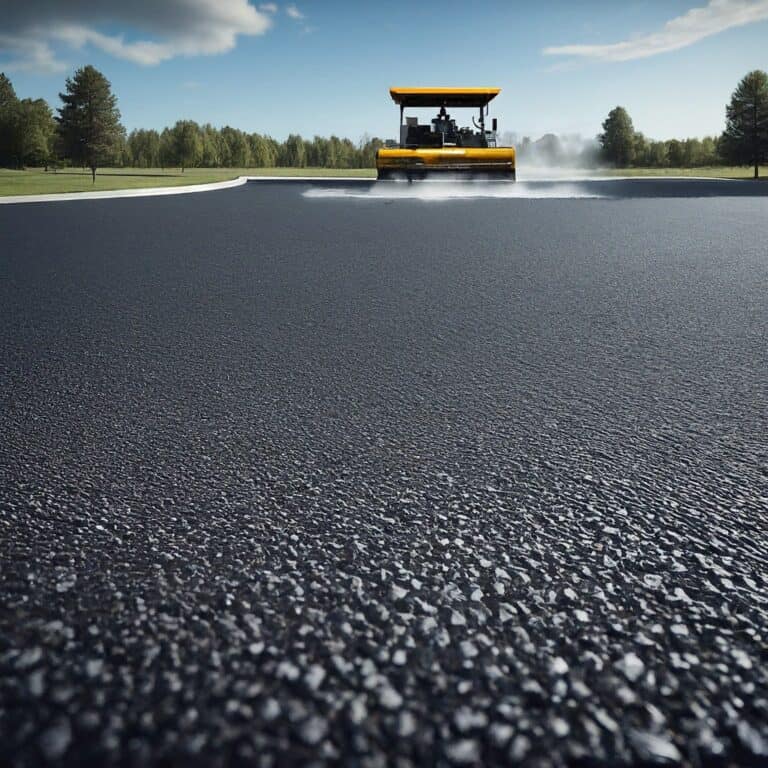
With the base prepared, the asphalt installation process can begin. Asphalt is heated to a very high temperature, between 250 to 350 degrees Fahrenheit. Special equipment is used to spread the hot asphalt mix evenly. The asphalt is then compacted for a solid and smooth finish. Here’s a breakdown of the steps involved:
- Asphalt pouring. The hot asphalt mix is applied using an asphalt paving machine. This machine spreads the asphalt evenly to a thickness between 1.5 and 2 inches.
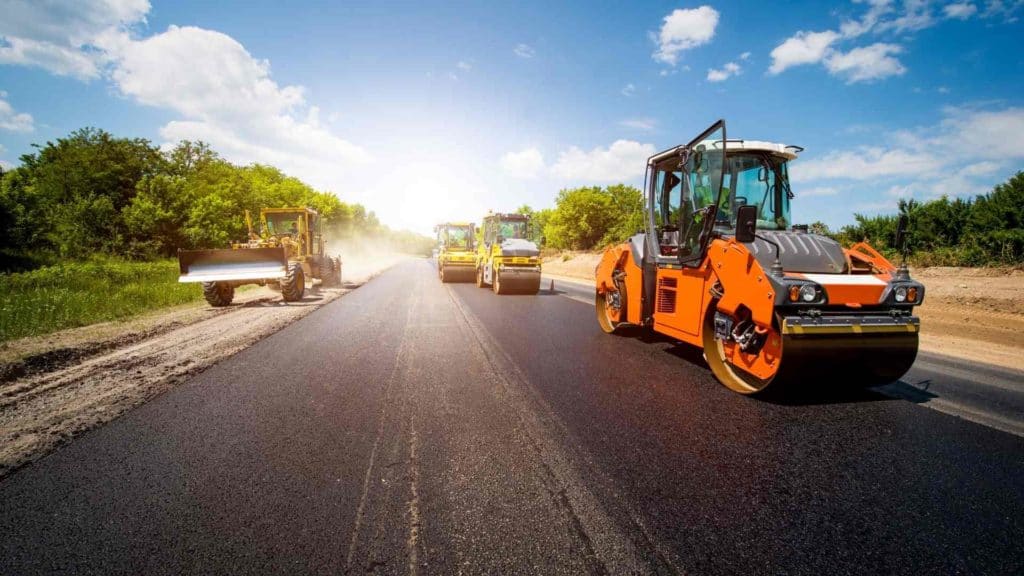
- Compacting. As soon as the asphalt has been laid down, use heavy rollers to compact the surface. The rollers remove air pockets that lead to a smooth finish.
- Surface finishing. Once compacted, the asphalt surface is finished with a final pass of the paving machine. The final pass leaves the parking lot smooth and properly aligned.
- Curing. Allow the newly laid asphalt parking lot to cure. Asphalt can be firm enough for light pedestrian traffic within a few hours. Keep vehicles off the asphalt for the first 48 hours to prevent the asphalt warping. After 48 hours the asphalt will be fully cured with maximum strength.
Step 7: Finishing Touches (A) And Maintenance
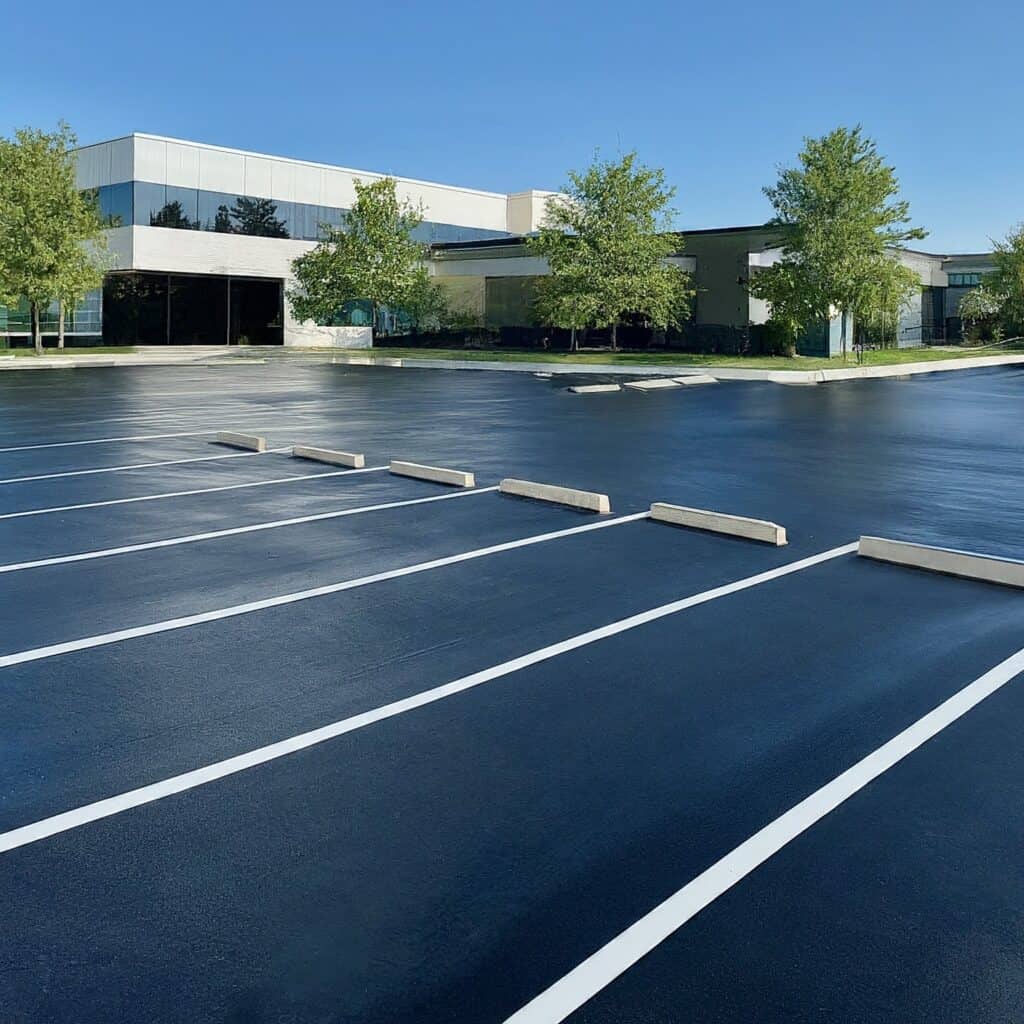
Once the asphalt is fully cured, it will be time for adding the finishing touches. Marking the parking lot is now needed to show where to park and how traffic should flow. This produces a productive use of space and improves the safety of pedestrians and drivers.
- Edge restraints. Install edge restraints to contain the asphalt and prevent spreading. They also give a neat appearance to the parking lot. They help to stabilize the asphalt and keep edges from crumbling.
- Parking space lines painted to help drivers park in an orderly fashion.
- Handicap parking symbol signs and painted on the ground of parking spaces reserved for people with disabilities.
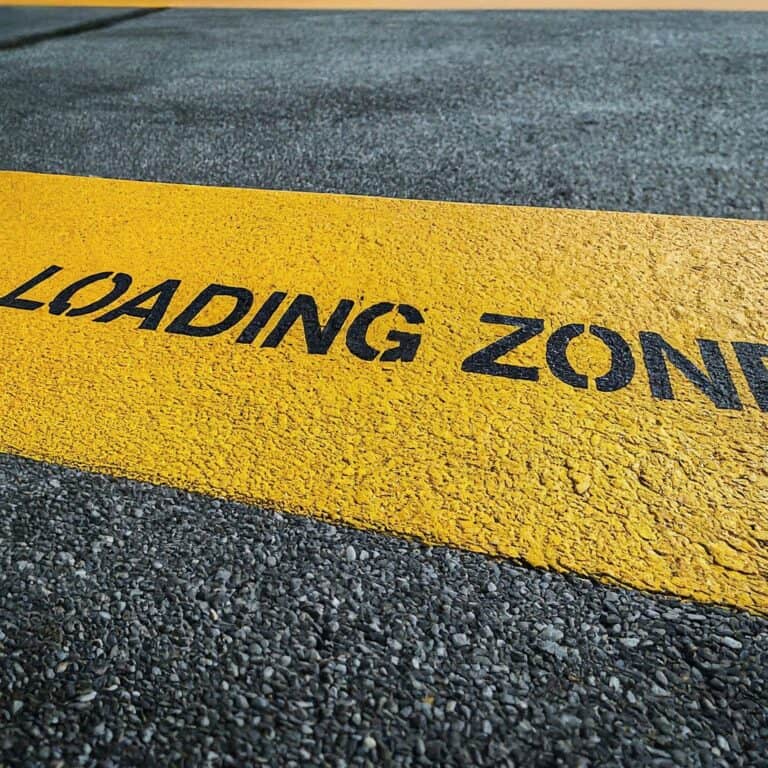
- Loading zone markings at areas where loading and unloading of goods or people are permitted.
- Fire lane markings where emergency vehicles are allowed.
- No parking zone signs in areas where drivers are not permitted to park.
- Directional arrows on the ground or on signs to guide drivers on the correct flow of traffic.
- Pedestrian crosswalk markings where pedestrians may cross the road safely within the parking lot.
Which Is Right For Your Parking Lot: Asphalt Or Concrete? Written..
Step 8: Inspection And Regular Maintenance Of Asphalt Parking Lots
Inspect the newly laid asphalt parking lot. If any issues are found the contractor or property owner can immediately address the problem. Following a regular maintenance schedule will increase the parking lot’s lifespan. You can be confident that you have achieved a successful asphalt parking lot installation that is durable, functional, and visually appealing.
- Final surface inspection. Check that the asphalt surface is smooth and uniform as any irregularities or depressions can cause drainage issues.
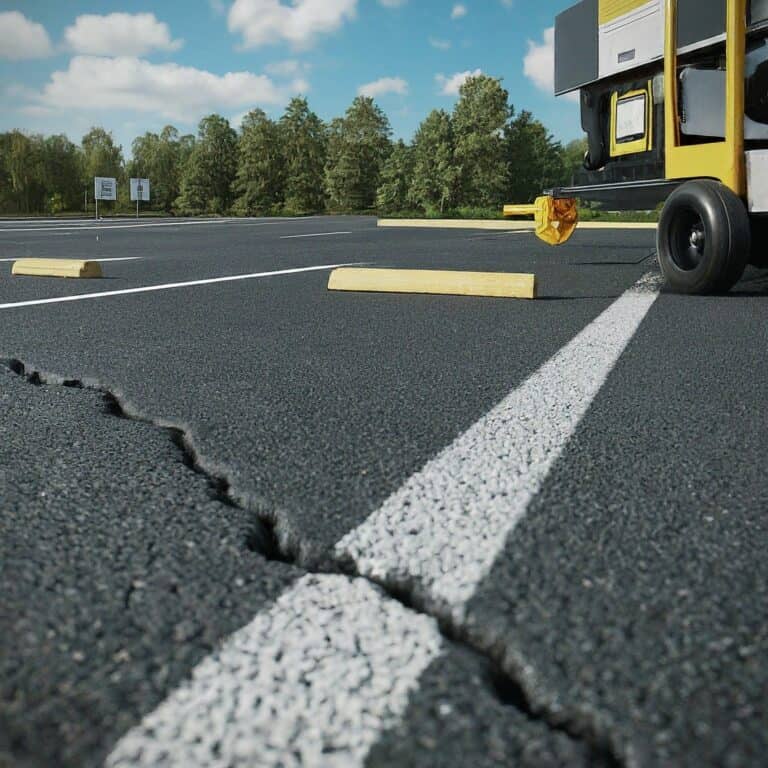
- Crack detection. Look for any cracks that may have developed during or after the process. Cracks can be sealed to prevent moisture seeping through.
- Edge inspection. Inspect the edges and make sure the asphalt is properly bonded and supported by the edge restraints. This prevents edge crumbling over time.
- Marking and signage. Make sure all parking lot markings are visible and clear.
- Drainage evaluation. Checking for proper slope to prevent standing water that can damage the asphalt.
- Quality assurance. The project engineer must confirm that the asphalt is the specified thickness.
- Regular maintenance. A maintenance plan must be set up to regularly check if seal coating or crack filling is needed.
DIY Vs Hiring A Professional For Your Asphalt Parking Lot
When planning to install an asphalt parking lot, choosing between DIY and hiring a professional can greatly influence the final results. It’s important to understand the benefits and influence of each method.
Here are details highlighting the value of hiring a professional asphalt company for parking lot installation:
- Equipment and expertise. Professionals have access to specialized equipment and tools for asphalt installation. The equipment provide precise grading, proper compaction, and accurate application of asphalt.
- Quality assurance. Professionals follow industry standards and safety practices during installation. They tackle challenges like drainage, subgrade preparation, and environmental concerns.
- Longevity and durability. Professionally installed asphalt will withstand heavy traffic and environmental conditions over time.
- Compliance and permits. Professional asphalt companies understand local regulations. They obtain the necessary permits and stay compliant with zoning laws, ADA requirements and municipal codes.
- Cost-effectiveness. While you may think that a DIY project will be more cost-effective, the investment in using a professional installer gives you higher-quality workmanship and less future repairs. Using professionals, you can avoid costly mistakes.
- Customer satisfaction. Choosing a reputable company like Parking Lot Kings will make for a smoother process from start to finish. Clear communication and a reliable schedule will give you peace of mind.
Ready to enhance your property with a professionally installed asphalt parking lot? Contact Parking Lot Kings today for a free consultation and estimate. Our team specializes in delivering high-quality asphalt and concrete services tailored to meet your needs.
FAQs About Asphalt Parking Lot Installation
How long does it take to install an asphalt parking lot?
The timeline varies based on the size and complexity of the project. Typically, it can span a few days from start to finish, covering preparation, installation, and allowing for curing time.
Can asphalt be installed in any weather conditions?
For the best results, it’s ideal to install asphalt in dry and moderate weather conditions. This allows proper compaction and curing. Extreme temperatures and rain can impact the quality of the installation.
How long does an asphalt parking lot last?
With the right installation and regular upkeep, an asphalt parking lot can endure for 20-30 years or even longer.
Why is professional installation recommended for asphalt parking lots?
Experienced professionals possess the skills, tools, and knowledge to achieve the grading, compaction, and finishing required for a long-lasting and visually appealing parking lot.
What are the benefits of sealcoating an asphalt parking lot?
Sealcoating protects the asphalt from oxidation, UV rays, and penetrating moisture. This extends the lifespan and improves the appearance.
Get a no obligation quote today!
Enter you email below and get matched to top-rated pros near you.
Recent Posts
Categories
Subscribe to our Newsletter
Join our mailing list and receive special offers, updates, and discounted packages directly to your email.
By clicking “Submit”, you are signing up to receiving emails from us. You can unsubscribe whenever you like. SMS rates may apply.
The homeowners guide to Asphalt Driveways
From average costs to expert advice, get all the answers you need to get your job done.