
Which Is Right For Your Parking Lot: Asphalt Or Concrete?

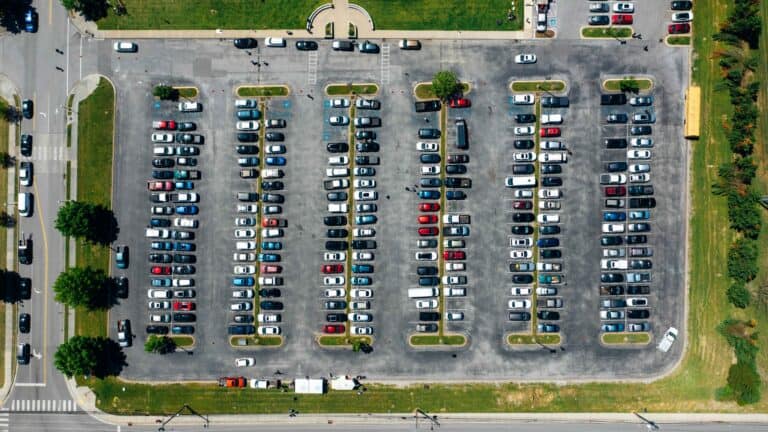
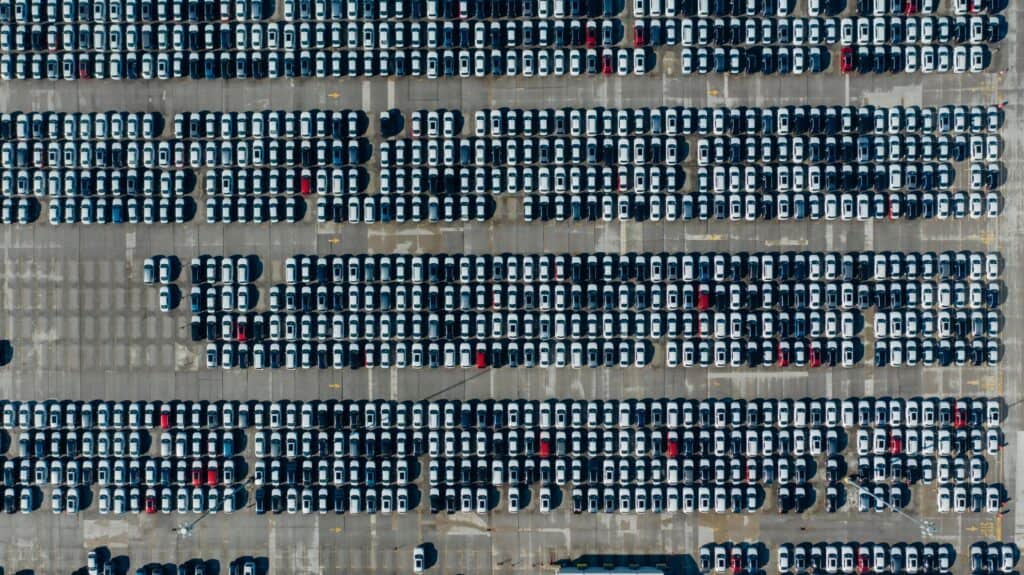
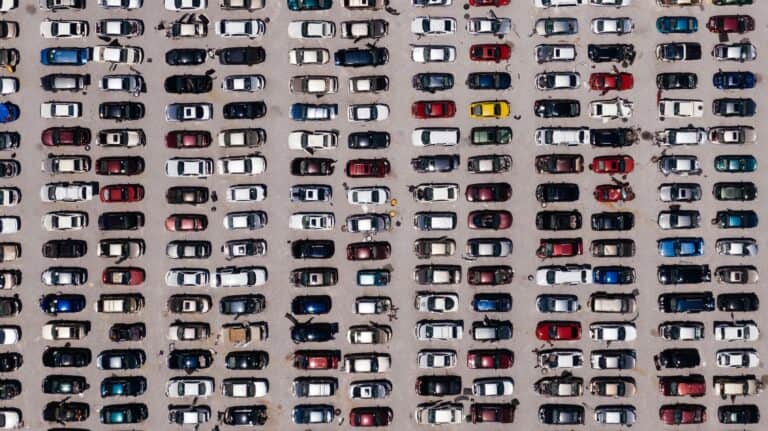
Aerial view of a large parking lot filled with rows of parked cars.
A smiling man wearing a yellow hard hat and reflective vest stands with arms crossed, indoors.

Written by Jake Miller

Senior Project Manager at Parking Lot Kings

Jake Miller, a seasoned Senior Project Manager at Parking Lot Kings with 15 years of experience, combines his extensive civil engineering background with a passion for mentorship and high standards. Based in Orange County, he expertly balances complex projects while staying at the forefront of industry advancements.
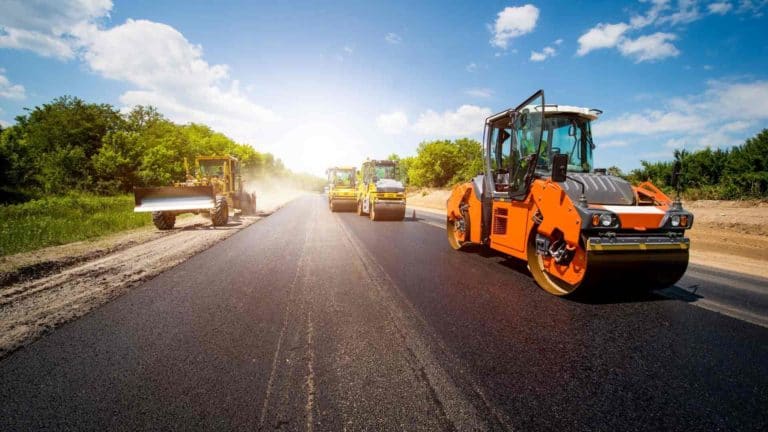
One of the most important decisions you’ll face when re-vamping your parking lot or installing a new one is which material to use; asphalt or concrete?

Both options are popular and come with their own pros and cons. It’s important to consider factors like the differences in cost, maintenance, and the environmental impact of each  material. This will help you make an informed decision on which is best choice for your parking lot.

Choosing Between An Asphalt And Concrete Parking Lot

Asphalt and concrete are top choices for parking lots, each bringing its own unique strengths in terms of flexibility, durability, and how they look. Rushing to make a decision isn’t advisable. Take your time to consider customization needs, maintenance preferences, budget constraints, and the local climate. 

To help you make an informed choice, we’ve outlined their key differences.

1. Costing Points Of Asphalt And Concrete Parking Lots

Factors such as local material prices, labor costs, and the extent of customization also influence the overall expense of each option. Weighing these considerations carefully can help in making an informed decision that suits both short-term budget constraints and long-term maintenance needs.

  • Initial installation cost. Asphalt uses cheaper materials, is faster and simpler to install and there is lower labor cost.  Hiring equipment for asphalt installation is more economical. Concrete has a higher upfront cost. Reinforcements and concrete forms might be needed. Installing concrete asks for specialized equipment.  
  • Long-term cost. Asphalt requires more maintenance when it comes to regular patching and sealing every 3-5 years.  Concrete is more durable needing less frequent maintenance.
Get a no obligation quote today!

Enter you email below and get matched to top-rated pros near you.

2. Comparing Durability Differences Between Asphalt And Concrete

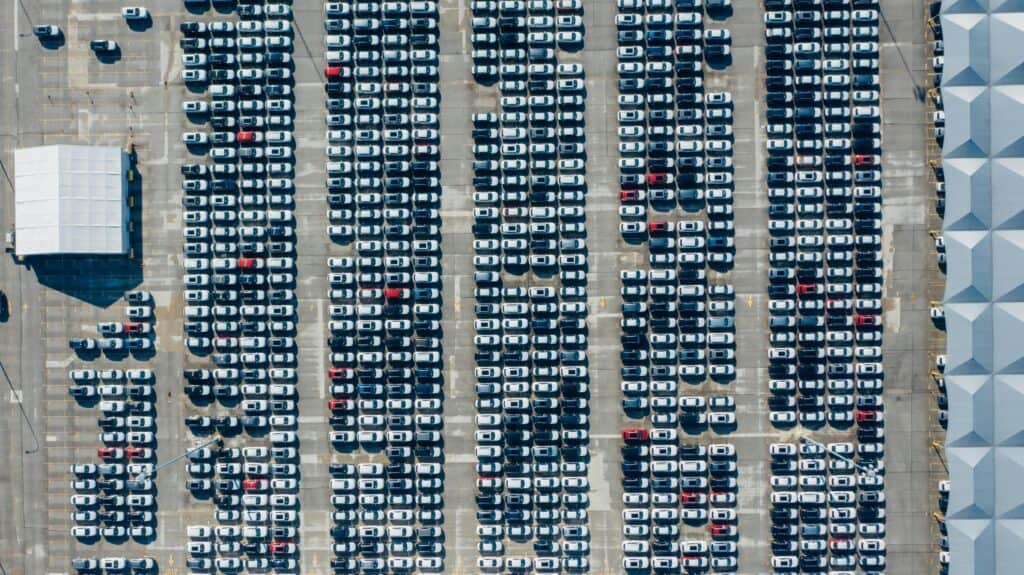
Aerial view of a crowded parking lot with rows of parked cars in various colors.

Concrete and asphalt are popular surface choices for parking lots. While both are essential for infrastructure, they have clear differences in durability. Knowing these differences is important when deciding which material to use where durability is a major factor.

Let’s compare asphalt and concrete lifespan and strengths:

  • Durability and lifespan. Asphalt parking lots can last 15-20 years. Concrete parking lots last for 25-30 years.
  • Load bearing. Asphalt can support considerable loads, spreading the weight over a larger area. Concrete has the ability to bear heavier weight over a given surface area. It won’t break or deform.
  • Flexibility. Asphalt is more flexible than concrete. It has a little bit of elasticity to allow small movement and stresses without cracking. Concrete is rigid and does not have much flexibility. It provides a solid, stable surface.
  • Wear and tear. Asphalt is prone to potholes but easy to fix. Concrete won’t rut as much but can develop cracks over time because of settling.
Related Articles

A Complete Guide To Asphalt Parking Lot Installation A step by..

3. Maintenance Differences Between Asphalt And Concrete

Regular maintenance is needed to lengthen the lifespan of asphalt and concrete parking lots. Asphalt needs consistent maintenance, while concrete requires less frequent repairs. Both materials also need regular cleaning to stay in good shape over time. 

By understanding their different maintenance requirements, you can set up the correct maintenance schedule for your parking lot.

  • Maintenance and repair of asphalt. Asphalt maintenance includes sealing up cracks and putting on a fresh layer of sealant or adding more asphalt if necessary. If repairs are needed, it is usually filling in potholes and fixing up smaller issues in specific spots. Asphalt repair is easier.
  • Maintenance and repair of concrete. Concrete needs joint sealing and protective coatings to keep water out. When repairs are necessary, they often involve bigger jobs like replacing slabs or redoing joints to fix cracks and structural issues. Concrete repair can be complicated and costly.
Pro tip!

Evaluate lifecycle costs and maintenance needs when choosing between concrete and asphalt. Concrete offers durability and lower long-term maintenance but costs more initially, while asphalt is cheaper upfront but requires more frequent upkeep.

A smiling man wearing a yellow hard hat and reflective vest stands with arms crossed, indoors.

Jake Miller

Senior Project Manager at Parking Lot Kings
4. Environmental Impact Differences Of Asphalt Vs. Concrete Parking Lots

Aerial view of a large parking lot filled with rows of parked cars.

Asphalt and concrete both impact the environment relating to their production and maintenance. When using asphalt responsibly, it will make building and infrastructure development more sustainable. Concrete contributes to sustainability due to its long-lasting durability and ability to be recycled.

Here are top environmental considerations when choosing between asphalt and concrete for a parking lot installation:

  • Carbon Emissions: Both asphalt and concrete contribute to carbon emissions during their production. Asphalt mainly from fossil fuels, and concrete from cement production.
  • Water and Soil Contamination: Runoff from both asphalt and concrete can contaminate water and soil with chemicals and pollutants, posing environmental risks during construction phases.
  • Recyclability: Asphalt can be recycled as RAP (Recycled Asphalt Pavement), and concrete can be reused as aggregate.
  • Emissions: Asphalt production releases VOCs and particulate matter, adding to air pollution, while cement production releases CO2, contributing to greenhouse gas emissions.
Related Articles

A Complete Guide To Asphalt Parking Lot Installation A step by..

Get a Free Quote Today!

Enter your info below and get a Free Quote today.

5. The Aesthetic Differences Of Asphalt Vs Concrete

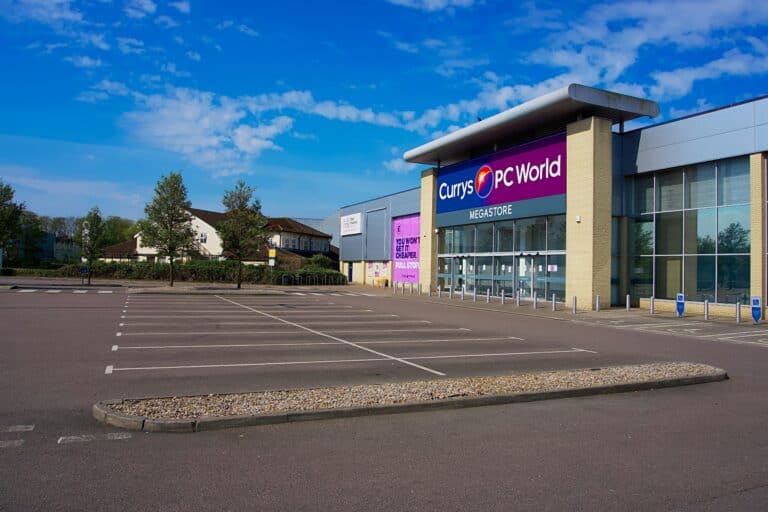
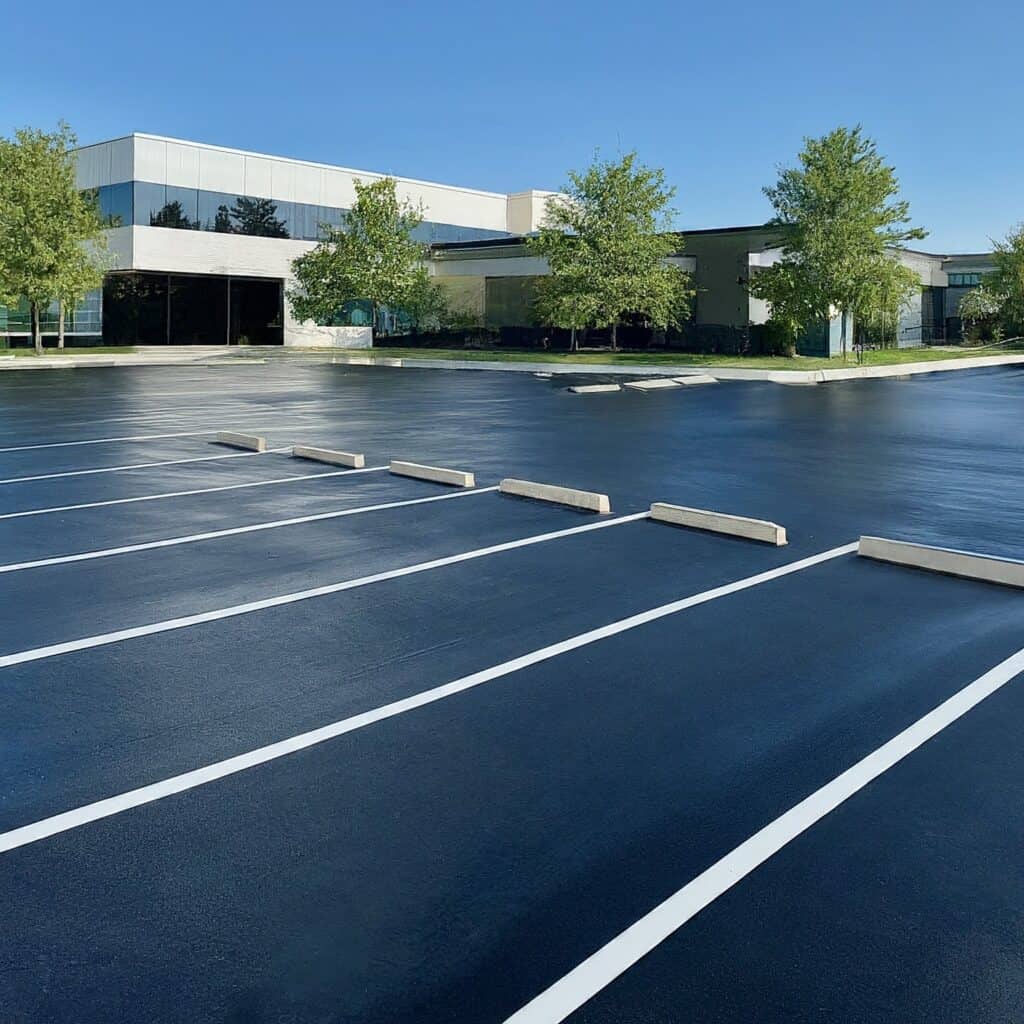
An empty parking lot in front of a large Currys PC World megastore building on a clear day.

Concrete and asphalt differ in their appearance, influencing how they are seen and how well they fit into their surroundings. Both concrete and asphalt serve functional purposes in parking lot construction. Concrete offers more design options and flexibility in appearance since it can be shaped and finished in various styles and textures.  Asphalt is practical and easy to apply in parking lots. It offers fewer design options compared to concrete.

Here are three key differences in aesthetics between concrete and asphalt:

  1. Appearance. Asphalt as a smooth, black finish that hides stains and makes painting striping easy. It gives a professional appearance. Concrete is lighter in color and has a smoother texture.
  2. Integration with surroundings. Asphalt’s dark, practical appearance may clash with natural or architectural beauty in some places, but in cities, its uniform look fits in well with the surrounding infrastructure. Concrete works well with both modern and traditional architectural styles because of its neutral color.
  3. Aging. Asphalt may lighten in color and develop a smoother texture with age. Concrete tends to maintain its appearance well, aging with a weathered patina.

6. Comparing High And Low Temperature Performance Of Asphalt Vs Concrete

Asphalt and concrete parking lots perform differently in varying temperature conditions. Asphalt does well in the warmer states because it stays flexible and tough. On the other hand, concrete works great in the colder regions because it keeps its strength even when it’s freezing. 

Temperature affects how much maintenance is needed, how long asphalt and concrete last, and their upfront costs. Asphalt is more flexible than concrete. It expands and contracts with temperature changes.  In high temperatures, asphalt can soften, leading to rutting. Concrete is rigid and less able to withstand temperature changes. It can expand in very hot weather leading to cracking but deforms less than asphalt under heavy loads.

Knowing these differences will help to pick the best parking lot for your weather conditions.

Related Articles

A Complete Guide To Asphalt Parking Lot Installation A step by..

7. Handling Traffic Loads Asphalt Vs Concrete Parking Lots

Aerial view of a large parking lot filled with rows of parked cars and a yellow school bus near the upper right corner, surrounded by green grass and trees.

Choosing the right material depends on understanding asphalt and concrete differences and matching them with traffic volume and load.

Asphalt is flexible and works well for light to moderate traffic. For heavier traffic, especially with trucks, it may need extra support to stay strong and durable. Concrete’s rigidity and strength make it perfect for places with heavy traffic and high volume of trucks. Concrete parking lots can handle the constant weight and impact from vehicles better than asphalt.

8. Installation Timeline Differences Between Asphalt And Concrete Parking Lots

Knowing how asphalt and concrete parking lots differ in installation timelines highlights how they affect project schedules and completion times. Asphalt’s faster installation allows surfaces to be ready for use sooner, which is advantageous for projects with tight deadlines. On the other hand, concrete’s longer curing time ensures durability, especially in areas with fluctuating weather conditions. 

These differences highlight how important it is to pick the right material based on the parking lot’s requirements and deadline:

  • Curing and usage. Asphalt can be laid and ready for use relatively quickly compared to concrete. In contrast, concrete requires a longer curing time, often several days, which lengthen project timelines.
  • Weather dependency. Installing asphalt for parking lots depends more on weather conditions because it requires dry weather for laying and curing. Concrete installation for parking lots is also sensitive to weather, needing steady temperatures and protection from rain to ensure it develops proper strength.
Related Articles

A Complete Guide To Asphalt Parking Lot Installation A step by..

WHY USE A PROFESSIONAL FOR YOUR ASPHALT OR CONCRETE PARKING LOT

Need professional help with your parking lot? Choosing a contractor for your asphalt or concrete parking lot ensures your project is completed efficiently and effectively. Look for contractors who have a solid reputation and experience in the industry. 

Here are the five most important considerations when hiring a professional to install your asphalt or concrete parking lot:

  1. Credentials and Licensing: The contractor must be licensed and insured.
  2. Experience and Expertise: Choose a contractor with experience in asphalt or concrete parking lot construction.
  3. Quality of Materials and Equipment: Look for a contractor who uses high-quality materials and modern equipment.
  4. Professionalism and Communication: Select a contractor who communicates clearly, listens to your needs, and provides detailed estimates and timelines.
  5. Safety and Compliance: Verify that the contractor follows safety standards and environmental regulations.

Looking for a reliable asphalt or concrete contractor? Reach out to Parking Lot Kings today! They offer expert advice and top-notch installation services for your parking lot, whether you go with asphalt or concrete, ensuring your project’s success. Make the right choice with Parking Lot Kings – your partners in parking lot excellence!

Frequently Asked Questions

Get a no obligation quote today!

Enter you email below and get matched to top-rated pros near you.

Subscribe to our Newsletter

Join our mailing list and receive special offers, updates, and discounted packages directly to your email.

By clicking “Submit”, you are signing up to receiving emails from us. You can unsubscribe whenever you like. SMS rates may apply. 

The homeowners guide to Asphalt Driveways

From average costs to expert advice, get all the answers you need to get your job done.