Common Mistakes To Avoid During Parking Lot Installation

Common Mistakes and Smart Solutions: A Guide to Successful Parking Lot Installation

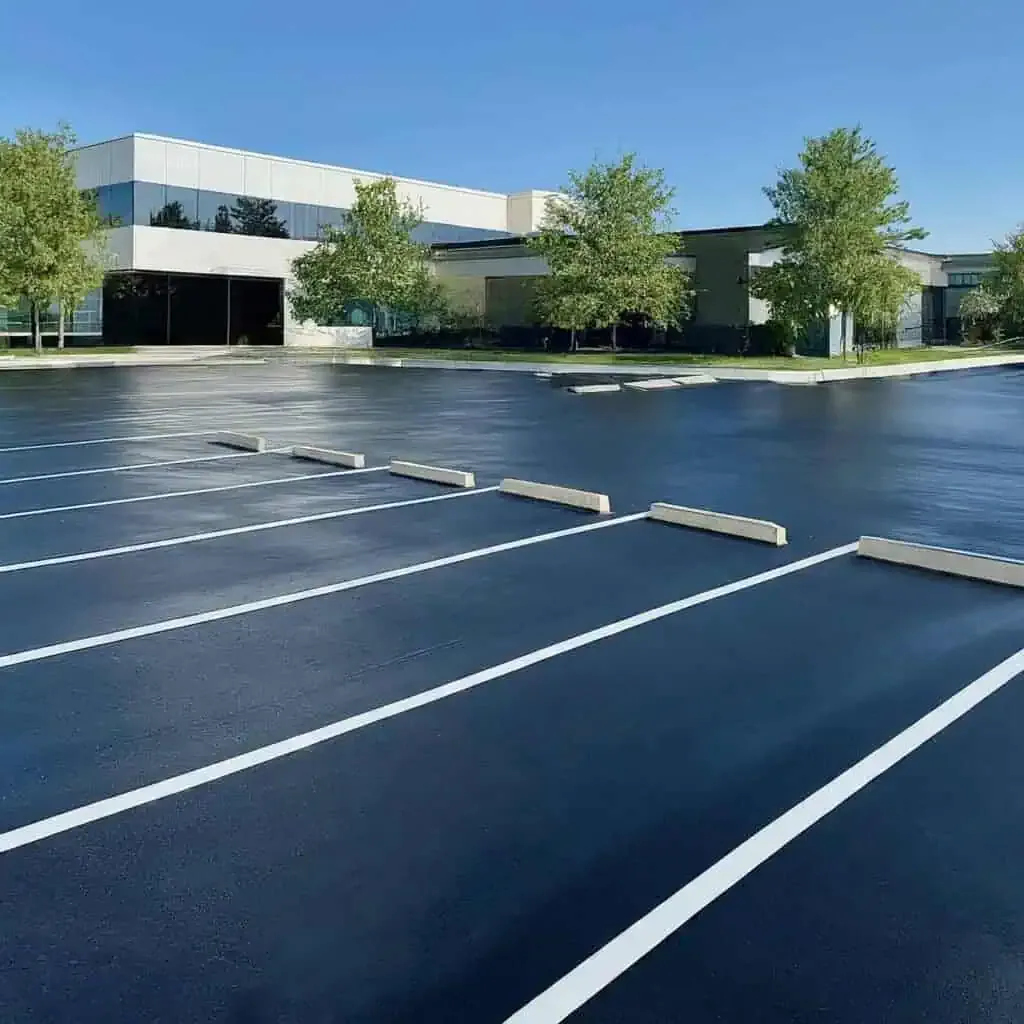
An empty, newly painted parking lot with a modern office building and trees in the background under a clear blue sky.
A woman with shoulder-length brown hair wearing a light-colored blouse stands against a neutral background, smiling slightly.

Written by Jennifer "Jenny" Parker

Content Writer and Civil Engineer

Jennifer Parker is a seasoned content writer and civil engineer with over a decade in asphalt and concrete services. Balancing a successful career and family life, she is dedicated to quality and sustainability, aiming to establish Parking Lot Kings as a leading industry voice.

A well-designed parking lot is more than just a place to park cars.

It’s the first impression your customers get when they visit your business. 

Installing a new parking lot can be challenging and there are some common mistakes you may want to avoid.

In this guide we’ll cover the common pitfalls of installing a parking lot and how to avoid them, ensuring the installation process is as smooth as possible and that your new parking lot is a success!

1. Inadequate Planning And Layout

A large, empty parking lot with white parking lines in front of a modern-commercial building under a blue sky with scattered clouds.

Skipping a thorough the planning and layout phase for your parking lot installation can have a ripple effect of problems down the road. 

Some of these problems may include:

  • Poor traffic flow
  • Improper parking space size and layout
  • Neglecting future growth

The solution:

It’s essential to invest time in meticulous planning when installing a parking lot.

Here are a few of the things you should consider during the planning and layout phase of your parking lot: 

Traffic Flow Analysis: Design a traffic flow pattern that minimizes congestion and promotes safety. This includes designated lanes, clear signage, and strategic placement of entrances and exits.

Parking Space Optimization: Factor in local regulations, handicap accessibility requirements, typical customer vehicles, and ample maneuvering room. Utilize software tools or consult a professional for an efficient layout.

Future-Proofing: Consider projected business needs and allocate extra parking spaces if feasible.

2. Substandard Materials and Construction

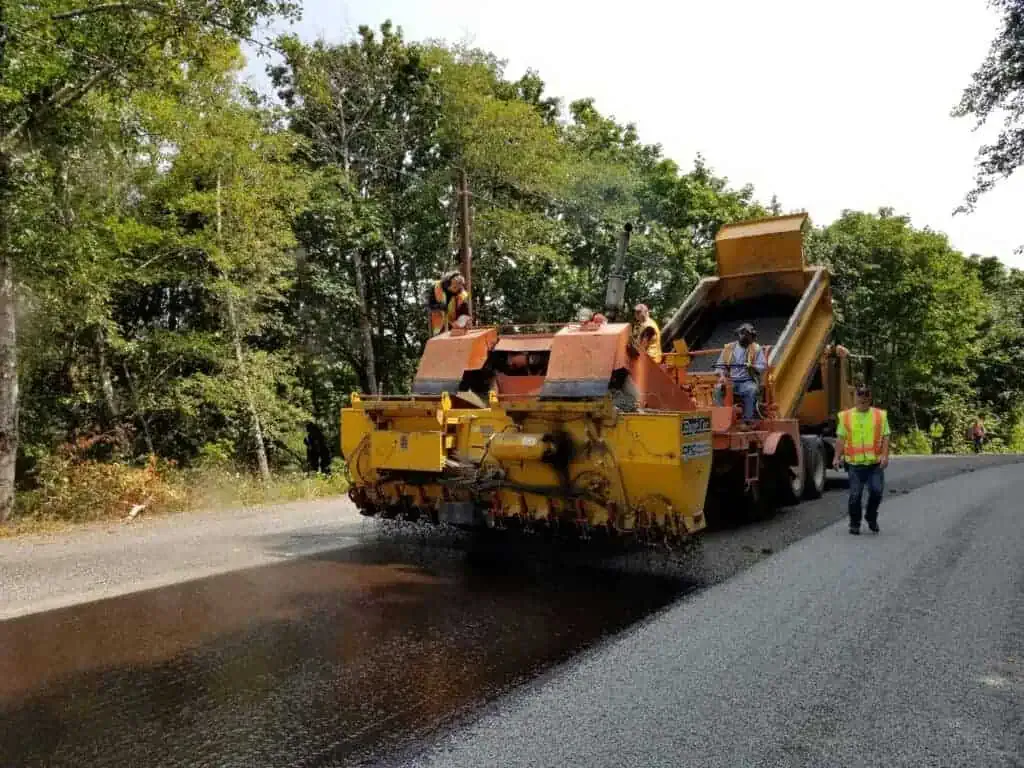
A road worker wearing protective gloves and a high-visibility jacket uses a machine to seal a crack on an asphalt road.

When you cut corners on materials and construction practices it can lead to a parking lot that deteriorates quickly, requiring costly repairs and replacements.

Here are a few factors that you should not neglect when installing a parking lot.

  • Low-quality asphalt
  • Improper base compaction
  • Neglecting drainage systems


Instead of cutting corners opt to Invest in high-quality materials and experienced contractors. While DIY can be cheaper, it may not always be the best option especially if you’re looking to install a parking lot that lasts.

Here’s how you can make sure you install a high quality parking lot:

Material Selection: Choose asphalt that meets industry standards and is suitable for your climate and traffic volume. Consult a professional for recommendations.

Quality Construction: Ensure your contractor utilizes proper compaction techniques and adheres to industry best practices for asphalt installation.

Drainage Solutions: A well-designed drainage system is crucial. This could involve installing gutters, catch basins, or permeable pavements.

3. Overlooking ADA Compliance

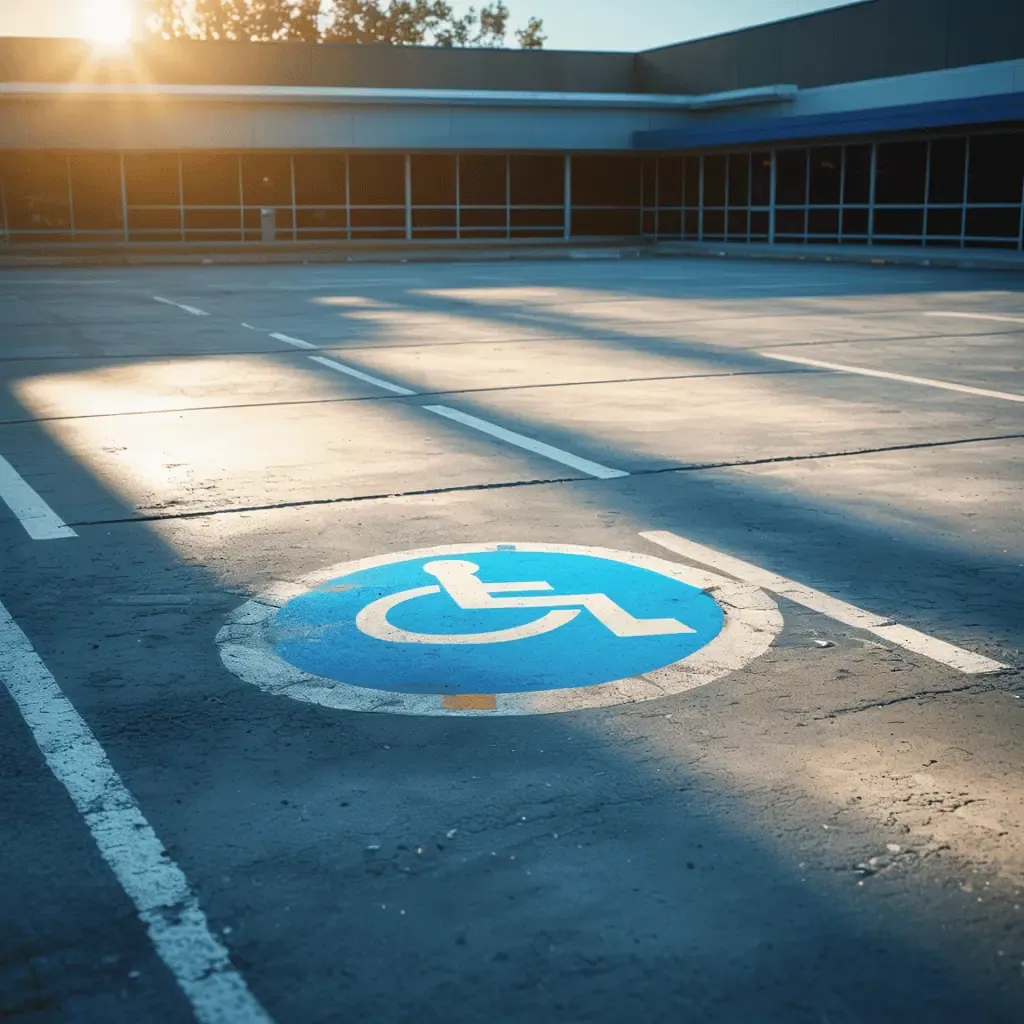
Empty parking lot at sunrise with a prominently marked handicap parking space.

Failing to comply with ADA regulations when installing a parking lot can lead to hefty fines and accessibility issues for disabled individuals. 

When installing your parking lot you need to take into account proper design and marking of handicap spaces, ramps, and walkways to meet legal requirements and create an inclusive environment.

Here’s what you might miss when designing your parking lot:

  • Inadequate handicap parking spaces
  • Missing ramps and walkways


To make sure your parking lot adheres to ADA regulations, here’s what to keep in mind:

Consult the ADA Guidelines: The Department of Justice provides detailed guidelines for accessible parking spaces, ramps, and walkways. Familiarize yourself with these regulations or consult a qualified professional for assistance.

Work with a Contractor Who Understands ADA: Choose a contractor knowledgeable about ADA requirements and ensure they incorporate accessible features.

4. Neglecting Signage And Markings

Aerial view of an empty parking lot with designated spaces, bordered by trees on each side.

Poor signage and faded markings in a parking lot can lead to confusion, accidents, and parking violations.

Without clear and visible markings, drivers may struggle to navigate the parking area safely, leading to potential collisions and unsafe conditions.

Additionally, the lack of proper signage can result in misuse of handicap spaces, improper traffic flow, and difficulty locating designated areas, such as entrances and exits.

How to ensure that parking lots are safe:
Use high-quality, reflective paint for markings like parking spaces, crosswalks, and directional arrows. Install clear and concise signage for handicap parking, traffic flow, and other important information.

Related Articles

Average Parking Lot Striping Cost in Orange County Maintaining a well-marked..

5. Ignoring Maintenance Needs

Close-up of a machine applying fresh yellow and blue paint stripes on a road surface, with wet paint glistening in the sunlight.
  • The Problem: A lack of proper maintenance can accelerate the deterioration of your parking lot.
  • The Solution: Establish a regular maintenance schedule that includes crack sealing, pothole repair, restriping, and sealcoating. This will extend the lifespan of your parking lot and improve its overall appearance.

Frequently Asked Questions

What are the minimum parking space dimensions according to ADA regulations?

Standard accessible parking spaces must be at least 8 feet wide, while van-accessible spaces require a minimum width of 11 feet. Both types of spaces need an adjacent access aisle that’s at least 5 feet wide.

The number of required handicap parking spaces depends on the total number of parking spaces in your lot. Generally, 2% of spaces must be accessible, with at least one van-accessible space. Consult the ADA guidelines for specific requirements.

Subscribe to our Newsletter

Join our mailing list and receive special offers, updates, and discounted packages directly to your email.

By clicking “Submit”, you are signing up to receiving emails from us. You can unsubscribe whenever you like. SMS rates may apply. 

The homeowners guide to Asphalt Driveways

From average costs to expert advice, get all the answers you need to get your job done.