
Discover The Ultimate Driveway Showdown: Asphalt vs. Concrete

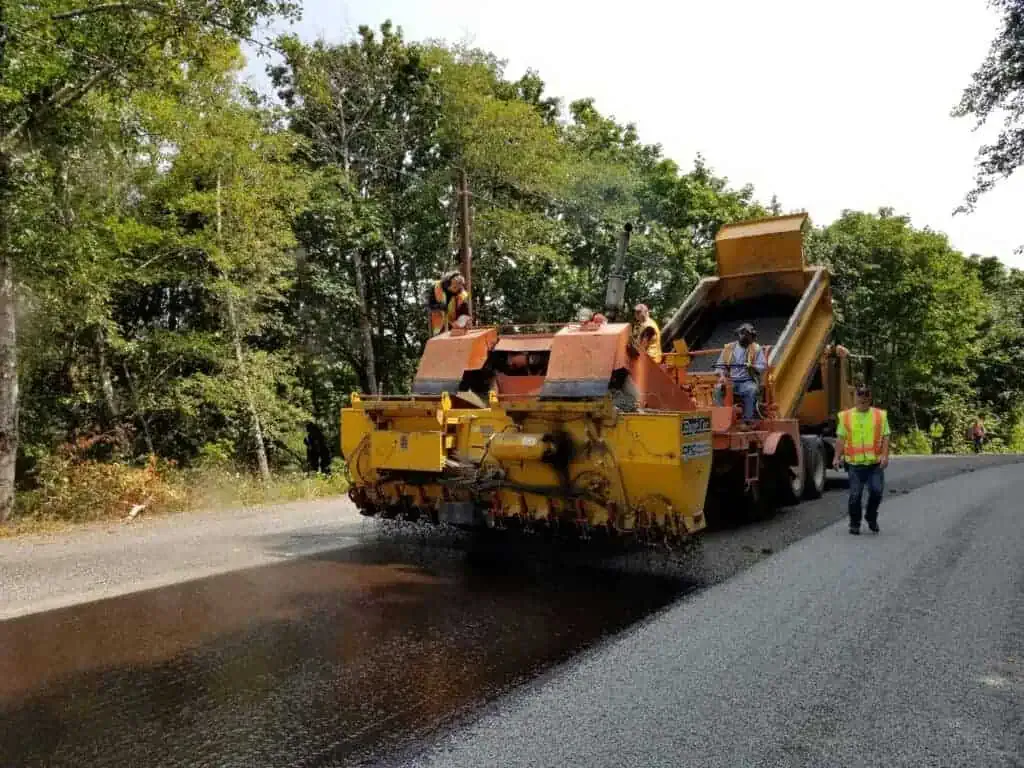
Road construction workers operate machinery to lay asphalt on a rural road surrounded by trees. A worker in a safety vest walks nearby.
A smiling man wearing a yellow hard hat and reflective vest stands with arms crossed, indoors.

Written by Jake Miller

Senior Project Manager at Parking Lot Kings

Jake Miller, a seasoned Senior Project Manager at Parking Lot Kings with 15 years of experience, combines his extensive civil engineering background with a passion for mentorship and high standards. Based in Orange County, he expertly balances complex projects while staying at the forefront of industry advancements.
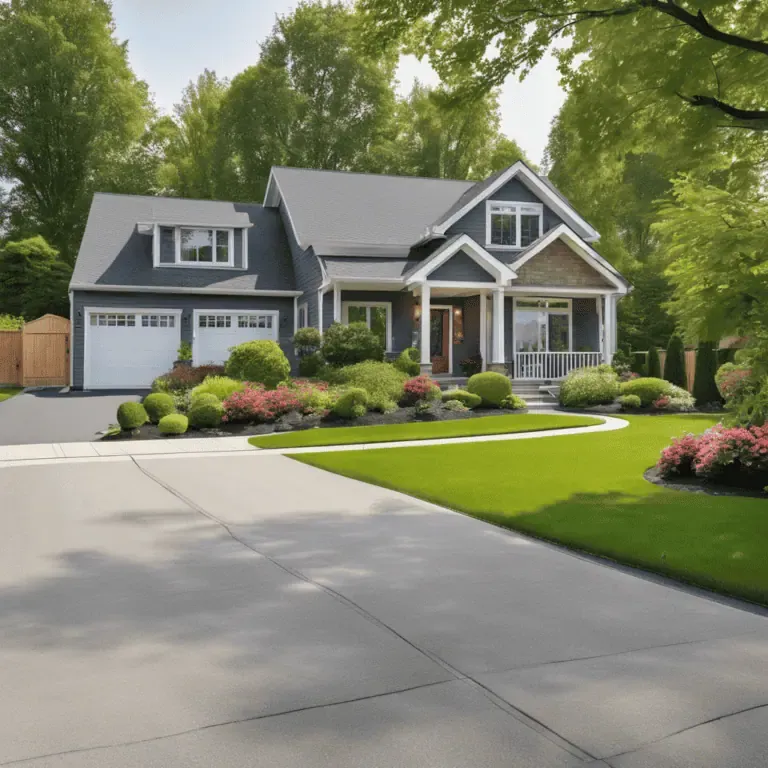
Selecting the perfect material for your driveway is more than just a practical decision; it’s an investment in your property’s future. The choice between asphalt and concrete can dramatically influence both the longevity and aesthetic appeal of your home.

In this complete guide, we’ll cover all aspects related to asphalt and concrete driveways to help you choose which is the best option for you.

Defining Asphalt And Concrete Driveways

When considering a new driveway, it’s essential to understand the fundamental differences between asphalt and concrete. These are two of the most popular materials for driveways. Each of these offers distinct characteristics, benefits, and drawbacks that can influence your decision.

Get a no obligation quote today!

Enter you email below and get matched to top-rated pros near you.

Asphalt Driveways

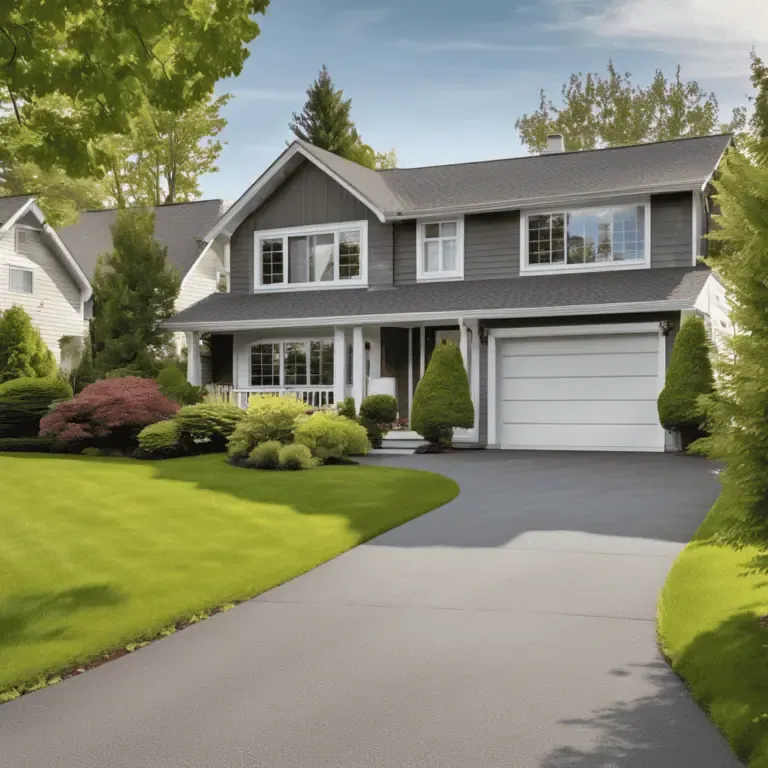
A two-story house with gray siding, white trim, and a dark gray roof. It features a manicured lawn, shrubs, a paved driveway, and a covered porch.

Asphalt driveways, commonly known as blacktop, are made from a mixture of aggregates (stones and sand) and bitumen (a petroleum product). This combination creates a flexible, durable surface that is particularly suited for regions with variable weather conditions.

Benefits:

  • Cost-Effective: Asphalt is generally less expensive to install than concrete.
  • Quick Installation: An asphalt driveway can be ready for use within a couple of days.
  • Flexibility: The material’s flexibility makes it resistant to cracking under heavy loads or shifting soils.
  • Ease of Repair: Minor repairs can be easily made by filling in cracks or applying new layers.

Drawbacks:

  • Maintenance: Requires regular sealing every few years to maintain its integrity and appearance.
  • Shorter Lifespan: Typically lasts 15-20 years, which is shorter compared to concrete.
  • Heat Absorption: Asphalt absorbs more heat, making it hot to the touch in summer months.

Concrete Driveways

A two-story house with a well-maintained lawn, landscaped garden, and a long driveway leading to a double garage. The exterior is painted in shades of grey with a porch at the entrance.

Concrete driveways are made from a mixture of cement, sand, gravel, and water. This material hardens into a strong, rigid surface, ideal for a wide range of climates and heavy usage.

Benefits:

  • Durability: Concrete is extremely durable and can last 30-40 years or more with proper maintenance.
  • Low Maintenance: Requires less frequent maintenance compared to asphalt.
  • Temperature Resistance: Reflects heat, staying cooler in hot weather.
  • Versatility: Can be stamped, colored, or textured to create various decorative finishes.

Drawbacks:

  • Higher Initial Cost: More expensive to install compared to asphalt.
  • Longer Curing Time: Takes up to a week to cure before it can be used.
  • Susceptibility to Cracking: More prone to cracking in extreme cold weather or if the ground shifts.
Related Articles

How Technology Is Revolutionizing Parking Lots Written by Jake Miller Senior..

Cost Differences Between Asphalt And Concrete Driveways

The cost gap between asphalt and concrete driveways boils down to a few key things. Installation costs affect how much you pay upfront. Plus, factors like how long they last, how tough they are, whether they handle your local weather, and how good they look all add up to the price difference between these two driveway choices.

Comparing The Ease Of Installation: Asphalt Vs. Concrete Driveways

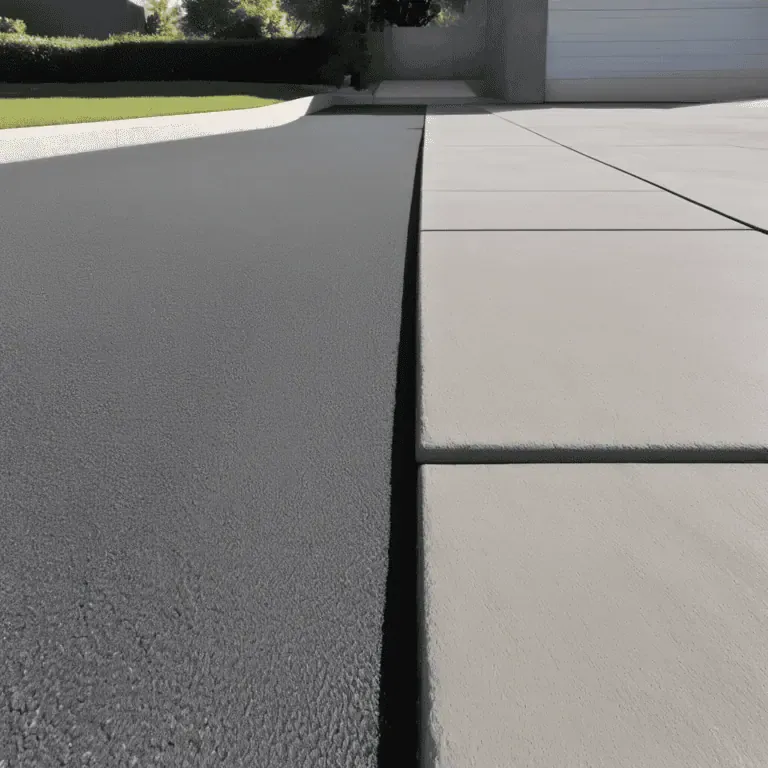
Close-up of a neatly paved driveway with an adjacent concrete walkway in front of a residential garage. The edges of the walkway and driveway are clean and well-maintained.

When deciding between asphalt and concrete for your driveway, the ease of installation is a crucial factor to consider. Both materials have distinct advantages and challenges that can influence your project’s timeline and costs. Let’s explore how the installation processes for asphalt and concrete differ and what that means for your driveway project.

Get a Free Quote Today!

Enter your info below and get a Free Quote today.

Asphalt: Quick And Efficient

Asphalt driveways are known for their rapid installation, typically ready within a couple of days due to lower labor requirements. The process is straightforward and often allows for DIY options, making it a cost-effective choice for quick projects.

Concrete: Time-Intensive But Durable

Concrete driveways require more time and expertise, involving meticulous steps like mixing, pouring, and curing. This process can extend up to a week, potentially increasing labor costs. However, the initial investment is offset by concrete’s durability and long-term benefits.

Lifespan And Durability Of Asphalt And Concrete Driveways

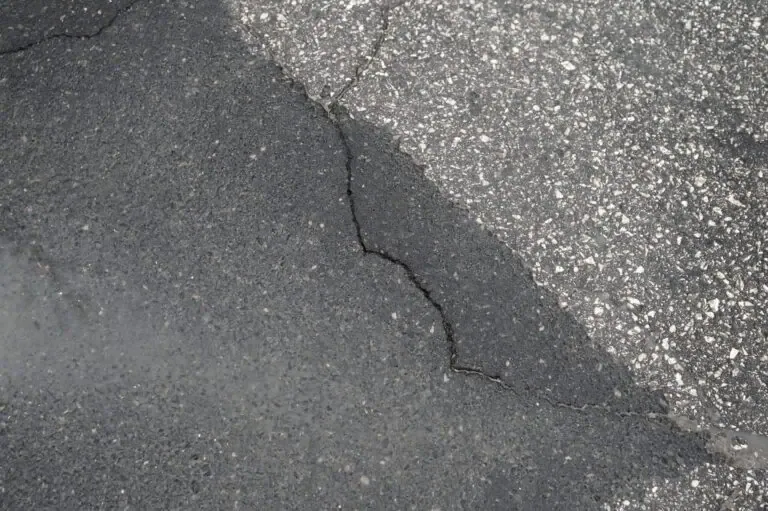
A crack in an asphalt road surface showing a mix of dark and light textures.

When investing in a driveway, considering the lifespan and durability of the materials is crucial for making an informed decision. Both asphalt and concrete have distinct characteristics that influence their longevity and performance over time.

Asphalt Driveways

Lifespan: Asphalt driveways typically have a lifespan of 15 to 20 years with proper maintenance. However, this can vary based on factors such as climate, usage, and the quality of the installation.

Durability:

  • Flexibility: Asphalt’s flexibility allows it to withstand minor ground movements and heavy loads without cracking, making it suitable for regions with variable temperatures and soil conditions.
  • Maintenance: Regular maintenance, including sealing every 3-5 years and repairing cracks and potholes promptly, is essential to prolonging the life of an asphalt driveway.
  • Weather Impact: While asphalt is resilient in cold weather, it can soften and deform in extreme heat, which may require more frequent repairs in hot climates.

Repair and Maintenance:

  • Ease of Repair: Asphalt is relatively easy to repair. Small cracks and potholes can be filled, and new layers can be added over existing asphalt to refresh the surface.
  • Regular Sealing: Sealing helps protect the surface from moisture and UV damage, reducing the risk of cracking and prolonging its lifespan.

Concrete Driveways

Lifespan: Concrete driveways are known for their longevity, often lasting 30 to 40 years or more when properly maintained. This extended lifespan can make concrete a cost-effective choice despite its higher initial cost.

Durability:

  • Strength: Concrete is extremely durable and can handle heavy loads without deforming, making it ideal for high-traffic areas.
  • Resistance to Weather: Concrete performs well in hot climates, reflecting sunlight and staying cooler. However, it can be prone to cracking in freezing temperatures if not properly installed with adequate expansion joints and additives.
  • Maintenance Needs: Concrete requires less frequent maintenance compared to asphalt. Regular cleaning and sealing every few years can help prevent staining and surface damage.

Repair and Maintenance:

  • Crack Repair: While concrete is durable, repairing cracks can be more challenging than with asphalt. Minor cracks can be filled, but more significant damage might require professional repair or replacement of sections.
  • Sealing: Sealing concrete surfaces helps protect against stains, water infiltration, and freeze-thaw damage, ensuring the driveway remains in good condition.
Related Articles

How Technology Is Revolutionizing Parking Lots Written by Jake Miller Senior..

When choosing between asphalt and concrete, consider that asphalt performs better in colder climates with lower initial costs and more flexibility, while concrete is more durable in hot climates, lasts longer, but has a higher upfront cost and may require more maintenance.

A smiling man wearing a yellow hard hat and reflective vest stands with arms crossed, indoors.

Jake Miller

Senior Project Manager at Parking Lot Kings
How The Climate And Weather Impacts Asphalt And Concrete Driveways

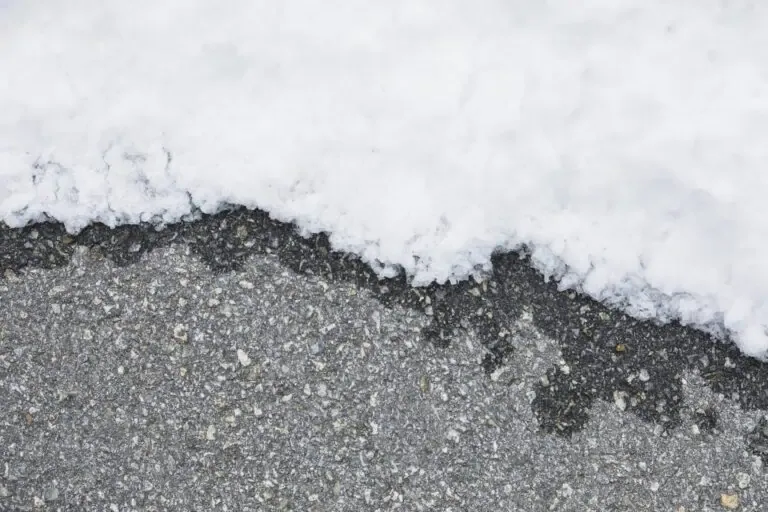
A close-up image shows the edge of a layer of snow on what appears to be asphalt pavement.

Asphalt is ideal for colder climates due to its flexibility, which allows it to expand and contract with temperature changes, reducing the risk of cracking. However, in extremely hot weather, asphalt can soften and become more pliable, leading to deformation under heavy traffic. It also requires regular sealing to prevent water damage, as water can seep into cracks and freeze, causing potholes.

Concrete performs well in hot climates because it reflects sunlight and stays cooler. However, it is more prone to cracking in cold weather due to its rigidity and the freeze-thaw cycles. Concrete’s resistance to moisture is generally good, but any cracks that do form can allow water to seep in, leading to damage. It requires careful maintenance and the use of non-corrosive de-icing agents to prevent winter damage.

Design And Attractiveness Of Asphalt And Concrete Driveways

Asphalt driveways offer a sleek, uniform appearance with their smooth, dark surface. While typically limited to a classic black finish, asphalt can be edged with bricks or stones to enhance its aesthetic appeal. However, its monochromatic look might not offer the same level of customization as concrete. Despite this, the clean, professional appearance of asphalt can complement a wide range of property styles, particularly in modern and minimalist designs.

Concrete driveways provide extensive design flexibility and can be customized to enhance your property’s curb appeal. Available in various colors, textures, and patterns, concrete can be stamped, stained, or engraved to mimic the look of more expensive materials like brick, stone, or tile. This versatility allows homeowners to create unique and attractive driveways that match their personal style and home architecture. Additionally, decorative finishes and the option to embed lighting or other features make concrete a highly desirable choice for those prioritizing.

Related Articles

How Technology Is Revolutionizing Parking Lots Written by Jake Miller Senior..

Eco-friendliness Of Asphalt And Concrete Driveways

Asphalt Driveways: Asphalt is eco-friendly due to its recyclability, with old asphalt often reused in new projects, reducing waste and raw material needs. Warm-mix asphalt technology also lowers energy consumption and emissions. However, being petroleum-based, its production and application can contribute to pollution.

Concrete Driveways: Concrete is durable and requires less frequent replacement, reducing long-term environmental impact. It can incorporate industrial byproducts like fly ash to minimize new cement use. However, cement production is energy-intensive and a major CO2 emitter, and concrete is less recyclable, often ending up in landfills. Using eco-friendly practices and local materials can improve its environmental profile.

Should You DIY Your Driveway Or Hire A Professional?

Choosing between DIY and hiring a professional for your driveway installation depends on your specific circumstances. If you have the skills, time, and desire to take on the project, DIY can be a cost-effective and rewarding option. However, for those seeking a high-quality, efficient, and hassle-free installation, hiring a professional is often the best choice. Consider your budget, time constraints, and confidence in your ability to achieve the desired outcome when making your decision.

Related Articles

How Technology Is Revolutionizing Parking Lots Written by Jake Miller Senior..

Frequently Asked Questions

Get a no obligation quote today!

Enter you email below and get matched to top-rated pros near you.

Written by Emma Diehl

Contributing Writer

Emma is an award-winning writer, editor, and journalist with a knack for tackling tricky topics around home improvement and finance. When she’s not writing about DIY, she’s living it—slowly updating her 100-year-old home. You can find more of her work on HomeLight, SoFi, Trustpilot, and Apartment Therapy.

Subscribe to our Newsletter

Join our mailing list and receive special offers, updates, and discounted packages directly to your email.

By clicking “Submit”, you are signing up to receiving emails from us. You can unsubscribe whenever you like. SMS rates may apply. 

The homeowners guide to Asphalt Driveways

From average costs to expert advice, get all the answers you need to get your job done.